What if Canada’s greatest export was clean air for the entire world?
Carbon Removal Canada is an independent non-profit accelerating the responsible scale-up of carbon removal technologies.
New
Canada Is Open for Business with Article 6 Announcement
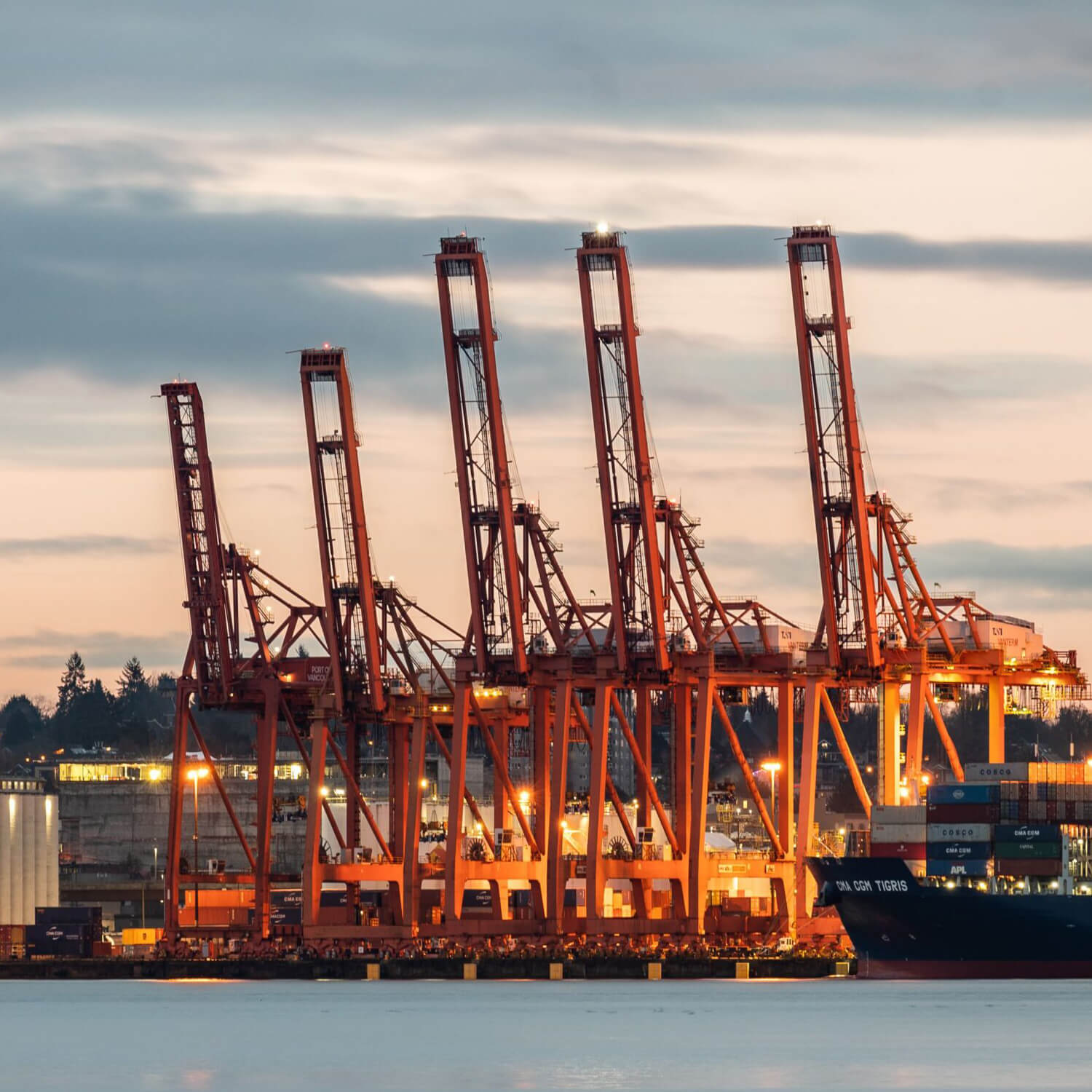
The Government of Canada has announced that it will develop an Article 6 framework, one which will specifically consider the needs of carbon removal.
Carbon Removal Canada's 2025 Impact Report
Our 2025 Impact Report captures a year of growing momentum in government meetings, at convenings, and across a sector that’s hitting its stride.

Announcing the Quebec Surficial Mineralization Hub
Thetford Mine sits on one of the world’s largest industrial legacies, and now it may be the world’s biggest carbon removal opportunities.
What is carbon removal?
Carbon removal refers to cleaning up CO₂ already in the atmosphere and storing it away for centuries or longer. Even with emission cuts, carbon removal is our only tool to address residual and historical emissions and reverse climate impacts.

Direct Air Capture
Direct air capture works like a massive air purifier that pulls CO2 straight from the atmosphere using special filters, then stores it safely underground where it stays trapped for thousands of years.

Biochar
Biochar turns dead plants and leftover crops into a charcoal-like material through heating without oxygen, permanently trapping CO2 inside while creating a useful product that helps soil hold water and nutrients better.

Ocean Alkalinity Enhancement
Ocean alkalinity enhancement adds natural minerals to seawater, like a giant antacid for the ocean, which reduces acidity and increases the water's ability to absorb and hold more CO2 from the atmosphere.

Carbon Mineralization
Carbon mineralization mixes CO2 with special minerals that react together to form rock-like substances, permanently locking the CO2 away in a solid form that can even be turned into useful building materials.

Bioenergy with Carbon Capture and Storage
Bioenergy with carbon capture and storage burns plant waste and dead trees to generate clean electricity, but captures all the CO2 that would normally escape and pumps it underground for permanent storage.

Direct Ocean Removal
Direct ocean removal works like a water filter that separates CO2 from seawater, removing the CO2 that oceans have naturally absorbed over time and storing it safely underground.

Biomass Burial
Biomass burial takes dead trees and plants that absorbed CO2 while growing and buries them in special oxygen-free underground sites where they can't decompose, keeping the CO2 locked away permanently.

Enhanced Rock Weathering
Enhanced rock weathering spreads finely crushed minerals on farmland that naturally absorb CO2 from the air over time, while simultaneously improving soil quality and boosting crop growth.
How carbon removal can address climate change
Be part of Canada’s carbon removal movement
Subscribe to our monthly newsletter and stay ahead of the carbon removal curve with events, news, and opportunities to make a difference.

Our funders








Our partners