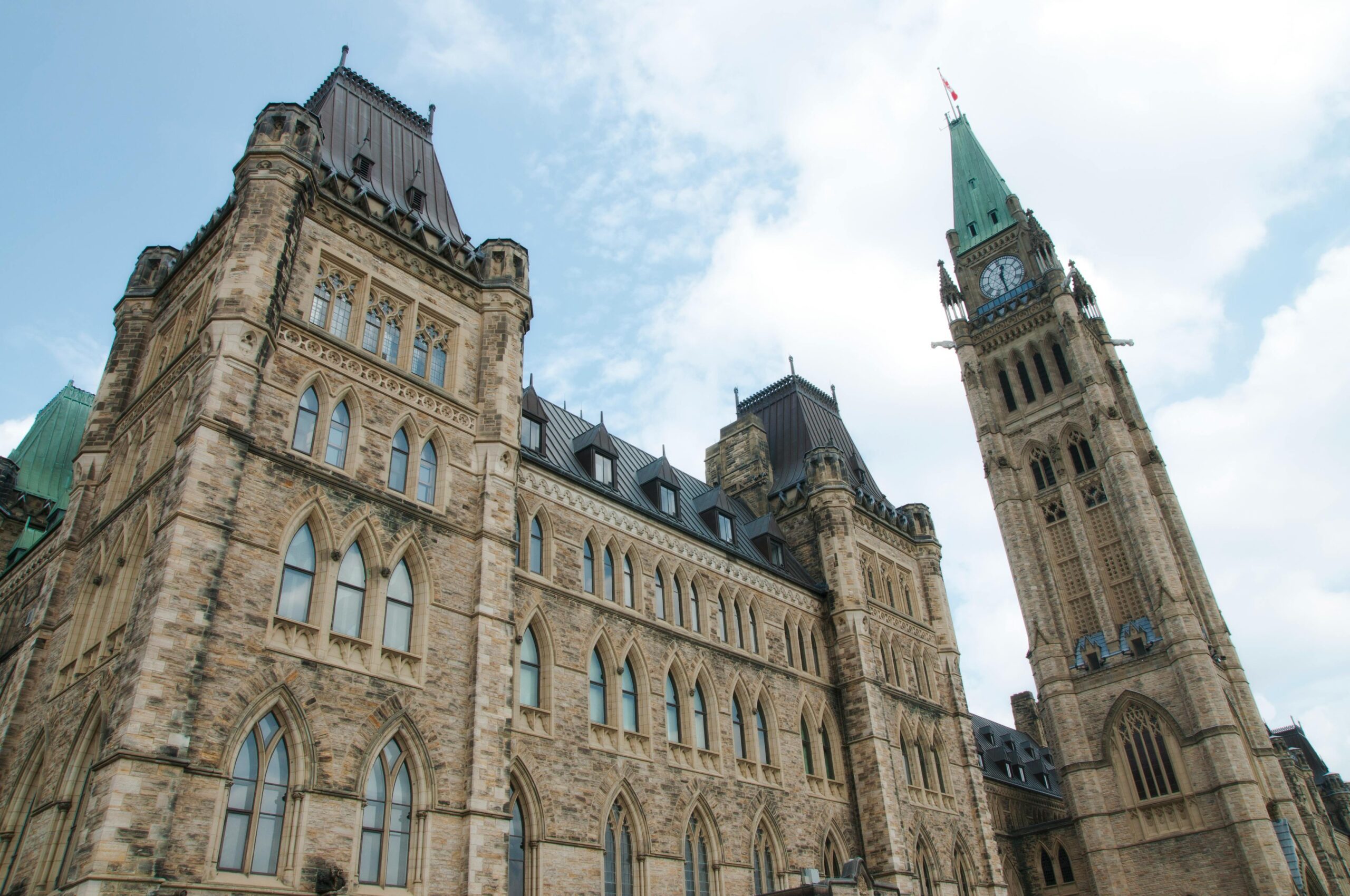
On March 12, the Government of Canada launched a Request for Standing Offer to purchase carbon removal credits. This is a milestone years in the making, and we couldn’t be more energized to see it arrive.
It started at the bottom of page 393. Budget 2024 tucked away a footnote signalling Canada’s intent to purchase carbon removal within its low carbon fuel procurement. In the months that followed, Carbon Removal Canada shared our vision for what a well-designed procurement program could look like and the industry momentum it could unlock. Much of that thinking lives in our 2024 report, Procuring with Purpose.
After extensive consultation and design, including a request for information on a draft framework launched at Carbon Removal Day 2025, the Government of Canada has finally announced its call for offers.
What’s Being Procured?
The Request for Standing Offer seeks to acquire and retire permanent carbon removal credits to offset residual GHG emissions from the government’s National Safety and Security Fleet. The procurement will award up to five standing offers across five technology streams, valid until March 31, 2029.
To be eligible, projects must:
- Be located in Canada
- Fall within one of the five technology streams
- Supply at least 500 tonnes of removal, with durability of 1,000 years or more, between June 2026 and March 2029
- Be recognized by a protocol that is either part of a compliance-based offset system or aligned with the Integrity Council for the Voluntary Carbon Market’s Core Carbon Principles
Additional technology-specific requirements apply, including responsible sourcing for biomass feedstock and coverage under existing regulatory frameworks for geologic storage.
Projects can strengthen their bids by demonstrating a robust Indigenous Participation Plan (including Indigenous ownership), generating innovative co-benefits, and presenting a development plan that signals strong operational readiness.
The standing offer structure acts as a pre-qualification for suppliers, creating a streamlined pathway for future purchasing rounds. Once qualified, suppliers can be called upon again without repeating the full evaluation process.
What We’re Encouraged By
We’re pleased to see several elements from Procuring with Purpose reflected in this design.
- Balanced portfolio approach. By organizing procurement into distinct technology streams, the RFSO spreads delivery risk across a diverse set of methods, each with their own benefits and risk profiles.
- High-quality standards. Rather than creating a new set of standards from scratch, the RFSO recognizes existing compliance and voluntary market frameworks while requiring clear integrity markers. Flexibility for developers without compromising quality.
- Recognition of co-benefits. Carbon removal can do more than remove carbon. It can restore ecosystems, generate new revenue streams, and create local jobs. This RFSO rewards developers who make that case.
- Acknowledges Rights Holders. The RFSO creates space to advance reconciliation, with preference given to projects that include Indigenous representation in teams, partnerships, training, and community engagement.
What This Means
This procurement is a firm demand signal and its ripple effects extend well beyond the tonnes it will purchase.
- Canada is buying, and the market is watching. When a government commits to purchasing carbon removal, it tells developers, investors, and other potential buyers that this is a real market with real demand. That credibility is hard to manufacture any other way.
- It de-risks the decision for others. Corporations and other levels of government that have been watching from the sidelines now have cover to act. A federal procurement sets a floor, signalling that the technology is credible, the quality standards are workable, and the Canadian supply chain is open for business.
- Price transparency can catalyze the market. The RFSO commits to disclosing standing offer unit prices. Public procurement has driven cost discovery and cost reduction in other clean technology industries, from offshore wind to solar. Carbon removal needs the same kind of visible price benchmarks to mature as a market, and this procurement starts building that record.
- The standing offer structure sets up future rounds. Once suppliers are pre-qualified, they can respond to future call-offs without repeating the full evaluation process. That streamlines procurement and signals that this isn’t a one-time exercise.
What Comes Next
We see this as a first chapter, not a final word. Here’s what we hope to see in future rounds of the procurement process:
- Scale up the procurement. As we outlined in Removals into Revenue, larger procurements with longer-term forward contracts can crowd in private buyers, unlock project financing, and drive meaningful industry growth. This round is a strong start but we hope the next one continues to raise its ambitions.
- Expand eligible methods. Marine-based carbon removal approaches are not eligible under this RFSO. Canada has world-class coastlines, existing marine carbon removal projects, and a growing body of marine research. Future rounds should reflect that.
- Embed Indigenous Rights Holders throughout the process. Future iterations of this RFSO should formally require free, prior, and informed consent from Indigenous peoples, consistent with the United Nations Declaration on the Rights of Indigenous Peoples Act. Preference points are a good start, but FPIC should be a baseline requirement.
Canada has momentum and this RFSO is proof of that. We’re grateful to the policymakers who did the hard work to get here.
Project developers interested in submitting offers can learn more here. The deadline is May 11, 2026.