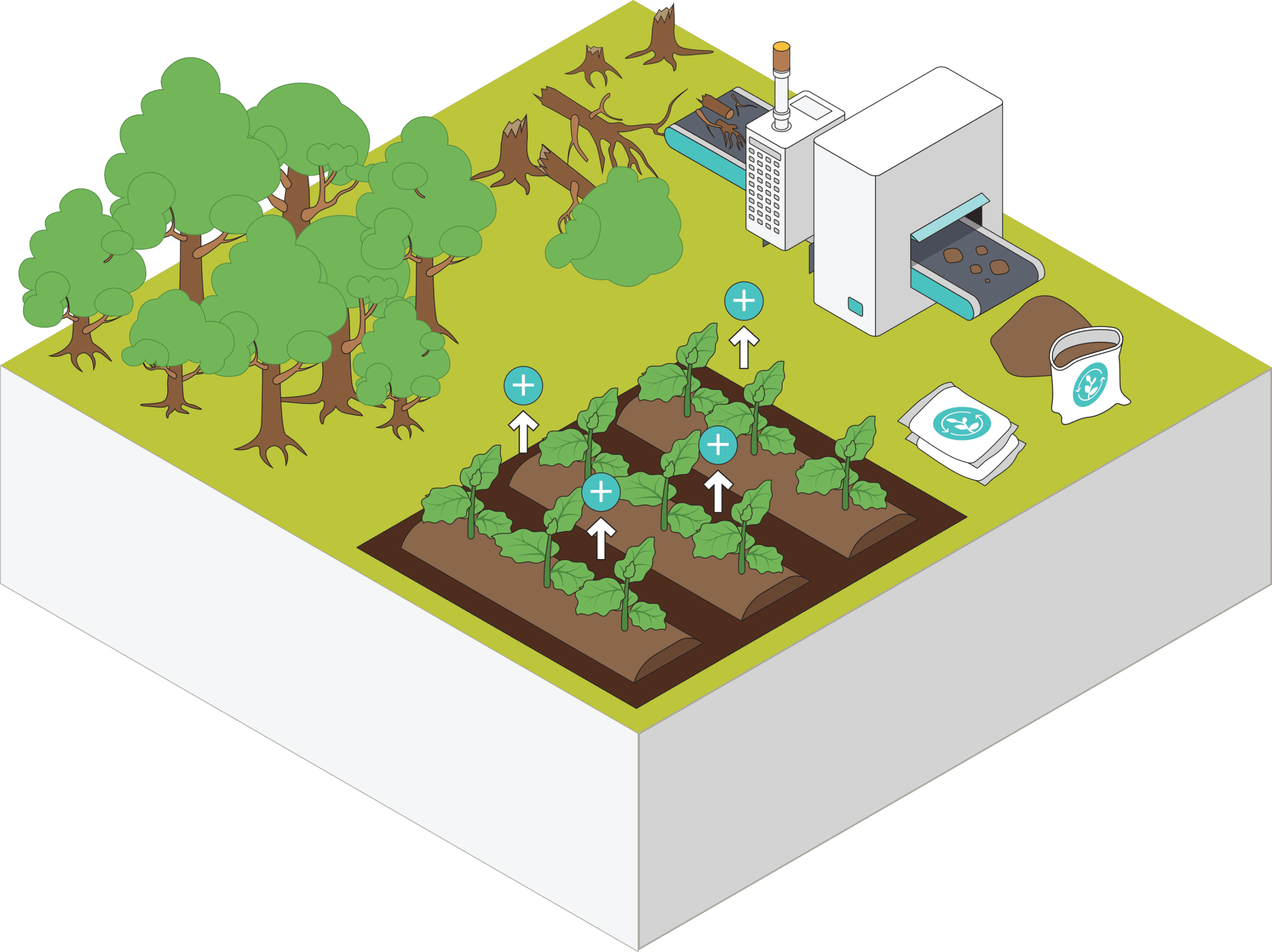
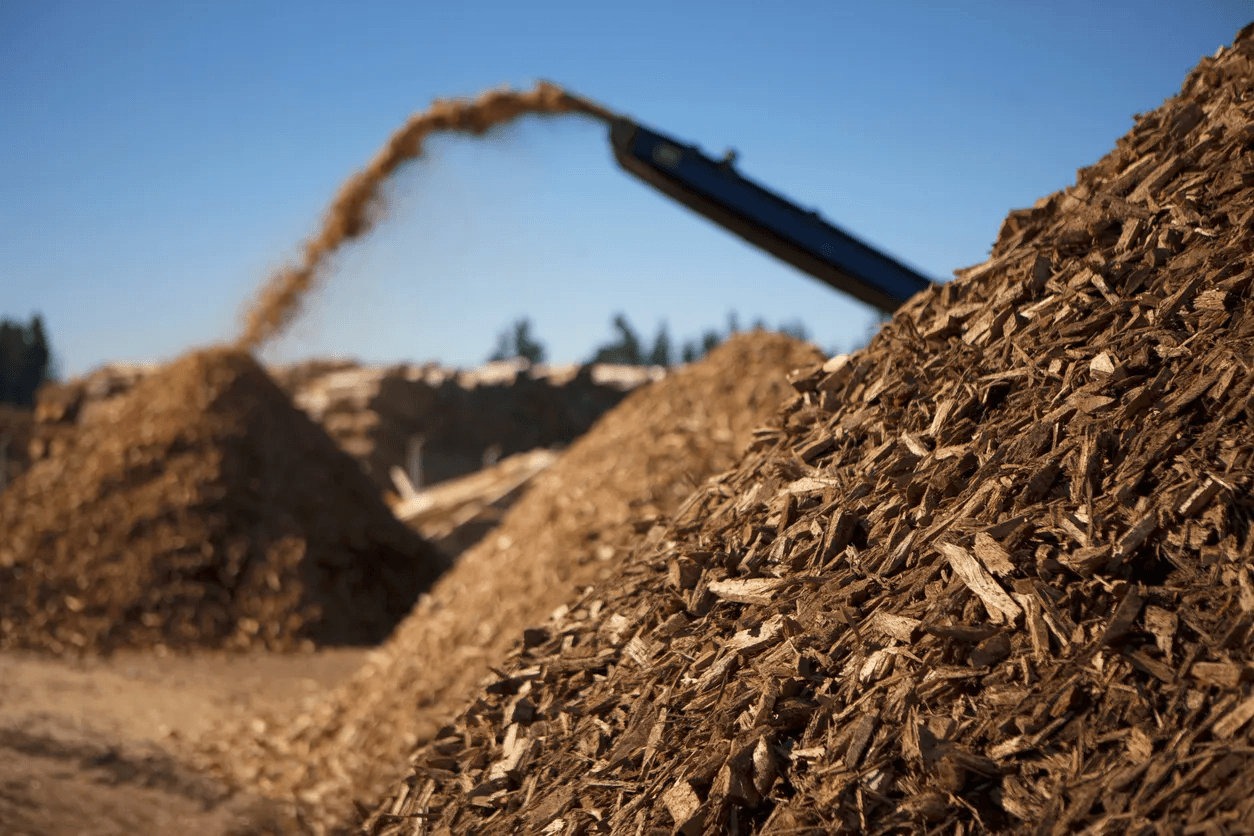
Sustainable biomass (forestry waste).
This is the expanded view of tooltip for #1. That carbon needs to be stored somewhere, and Canada has world-class options. It can be permanently stored deep underground in
Process the biomass into a carbon-rich solid material.
This is the expanded view of tooltip for #2
Spread the biochar on soils.
This is the expanded view of tooltip for #3

Click hotspots
for more information
How does Biochar work?
Biochar is made by heating agricultural and forestry waste at high temperatures with almost no oxygen present. This process, called pyrolysis, transforms the waste into a carbon-rich material that resembles charcoal.
Unlike regular charcoal, which releases its stored carbon when burned, biochar locks carbon away permanently. The heating process creates a material so dense and stable that the CO2 that the plant pulled from the atmosphere when it was alive stays trapped in the biochar, instead of returning to the air.
When spread on farmland, biochar does double duty: retaining extra water and nutrients. This improves the soil health, helps grow crops, and stores carbon underground. This transforms Canada’s agricultural and forestry waste into a profitable product that generates revenue for farmers and forest companies, creating healthier and more productive soil from materials that would otherwise be burned or left to decompose.
Co-Benefits from Biochar

Increase Crop Yield
Biochar enhances soil health, helping farmers grow more with less fertilizer and lower emissions.

Wildfire Risk Reduction
Biochar turns a wildfire hazard into a fertilizer, as it removes and utilizes forest waste that would otherwise intensify fires and threaten communities.
Industries Supported
Farming
Tk
Construction
Tk
Forestry
Tk
Project snapshot
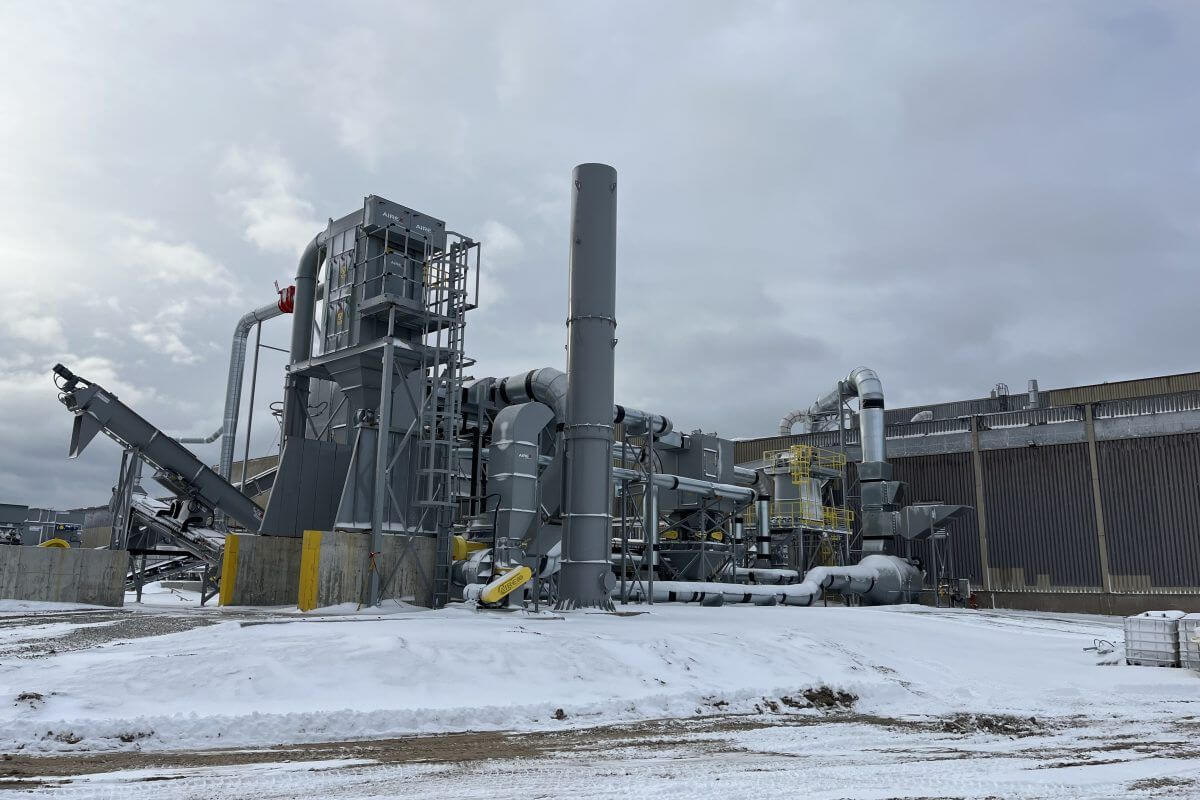
Carbonity
Port-Cartier, Quebec
Carbonity is Canada’s first industrial-scale biochar plant, turning roughly 58,000 tonnes a year of forest residue into biochar and locking away carbon in the process. Microsoft has signed on as a carbon credit buyer, and the plant is on track to become the largest of its kind in North America.
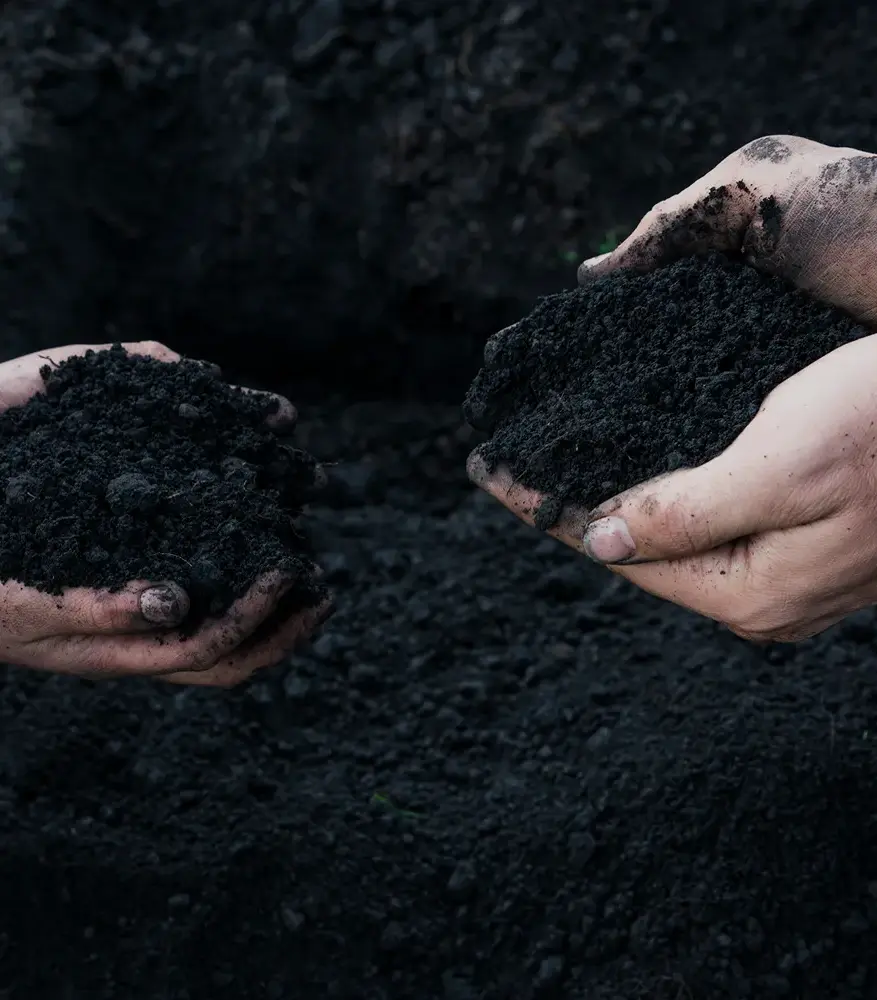
BioLesna & McBride
BC & SK
BC Biocarbon converts forestry and agricultural residue into biochar at its Carrot River facility, sequestering carbon while producing a soil amendment for Prairie farms. The project has scaled its removal capacity as it moves from pilot to commercial output.
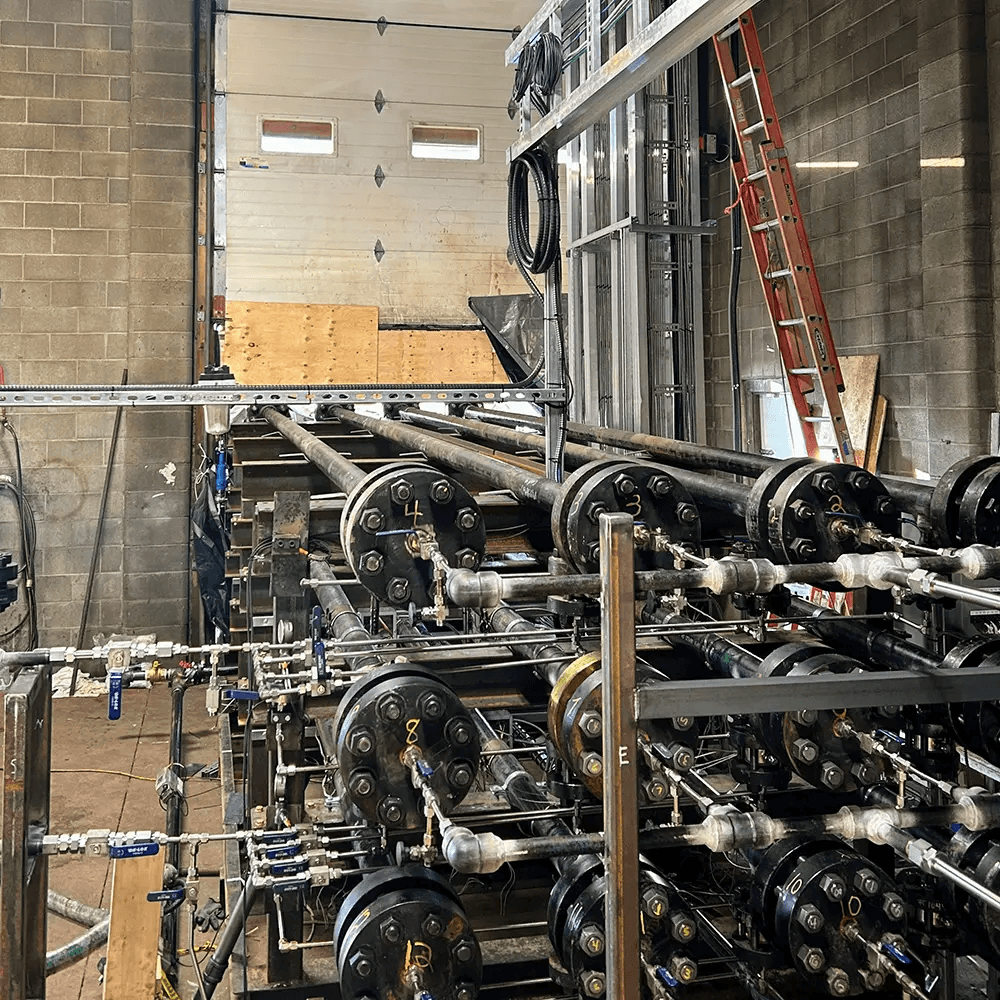
Saskatoon - Ontario Ave
Saskatoon, SK
NULIFE converts local biowaste into a concentrated bio-oil through hydrothermal liquefaction, then injects it more than 1,000 metres underground into salt caverns for permanent storage. Their Ontario Avenue site has logged thousands of operating hours and delivered credits independently verified by Isometric, backed by a $44.2 million, 122,000-tonne offtake agreement with Frontier running through 2030.
Ruby Creek
BC
Emergent Waste Solutions runs its Advanced Thermolysis System at Ruby Creek, converting biomass and other waste into biochar and other carbon-rich products. The facility has been operating and selling biochar commercially since 2022.