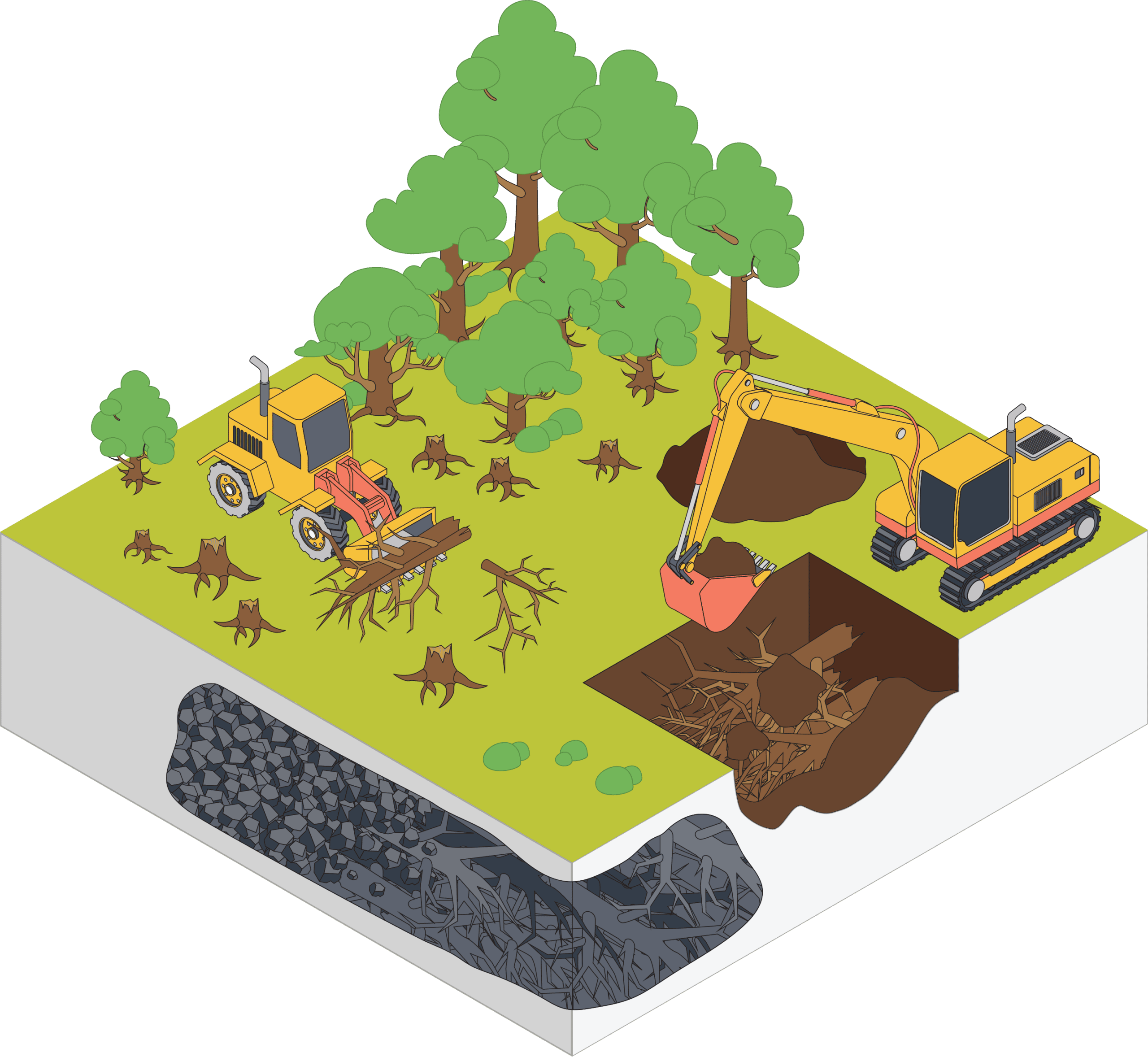
Collect Sustainable Biomass
Waste biomass like dead trees or leftover crops, which would normally rot and release their stored carbon back into the atmosphere, is gathered up before that can happen.
Dig a Specifically Engineered Underground Pit
A pit is excavated in specific soil types and conditions that seal out oxygen, creating an environment where the buried carbon stays locked underground.
Bury the Biomass in the Pit
The biomass is placed in the pit, sometimes wrapped in protective materials that slow decay to a timescale of thousands of years. The site is then remediated, and the carbon is stored away permanently.

Click hotspots
for more information
How does Biomass Burial work?
Trees, plants, and crops naturally remove CO2 from the atmosphere as they grow. However, normally, when they decompose, all that stored carbon is released back into the atmosphere. Biomass burial technologies can interrupt that cycle and lock the carbon away in specially designed underground storage sites.
By controlling the environment where the biomass is stored, using low-oxygen conditions created by layering clay and other material, we can keep the carbon locked away for extended periods. The sites are engineered to prevent decomposition, with monitoring systems to ensure the carbon remains sequestered for hundreds to thousands of years. This effectively removes CO2 from the atmosphere permanently.
This technology transforms Canada’s abundant forestry and agricultural waste into a profitable carbon removal industry. It creates new revenue streams for farmers and forest companies while reducing wildfire risks by providing an economic alternative to leaving biomass as dangerous fuel in forests and fields.
Co-Benefits from Biomass Burial

Wildfire Risk Reduction
Biomass burial removes forest waste that would otherwise fuel wildfires, reducing fire risk and protecting communities.

Prevents Methane Release
Biomass burial prevents the creation of methane—a greenhouse gas 28 times more potent than CO2—that would otherwise be released when organic materials decompose or are sent to landfills.

Rural Community Job Creation
Biomass burial’s flexibility in site location makes it ideal for rural economic development, creating jobs in communities across Canada.
Industries Supported

Agriculture
Biomass burial gives farmers a new revenue stream from crop residues that would otherwise be left to decay, while creating jobs in collecting and handling that material.
Forestry
Biomass burial turns woody waste and dead trees into a saleable product for the forestry sector, generating new income and jobs from material that would otherwise rot on the forest floor.
Project snapshot
Red Cedar
Robson Valley, BC
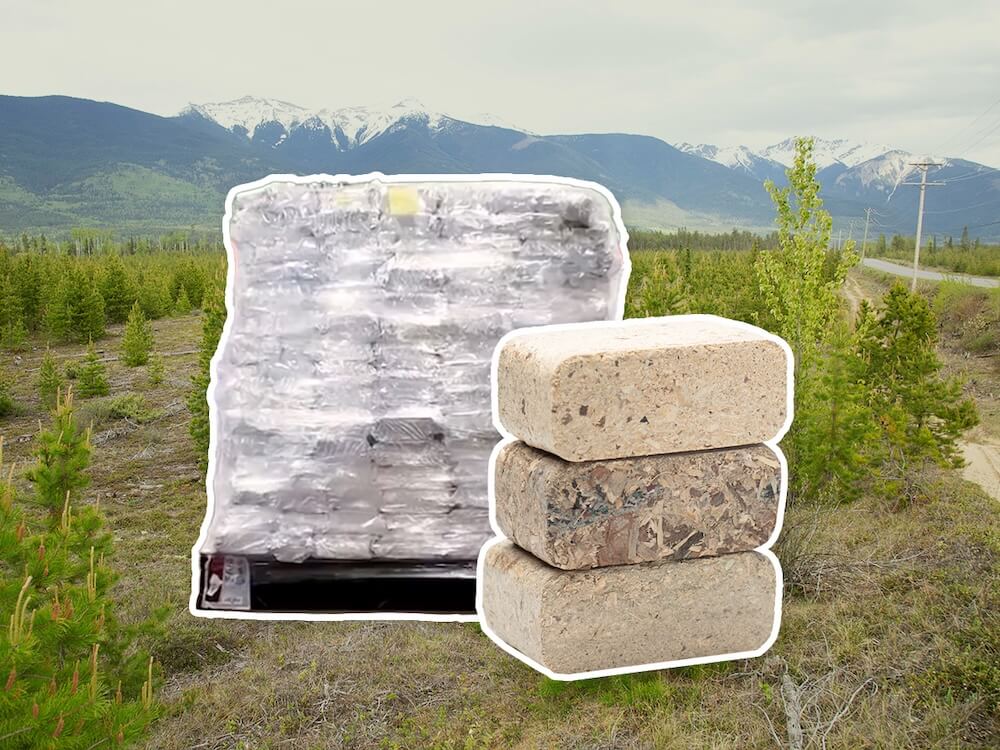
Graphyte compresses forestry residue into dense blocks, wraps them in a protective barrier, and buries them underground where the carbon stays locked away for centuries. The Robson Valley project is planned to open with 60,000 tonnes of initial annual capacity.
First Nation BC
Burns Lake, BC
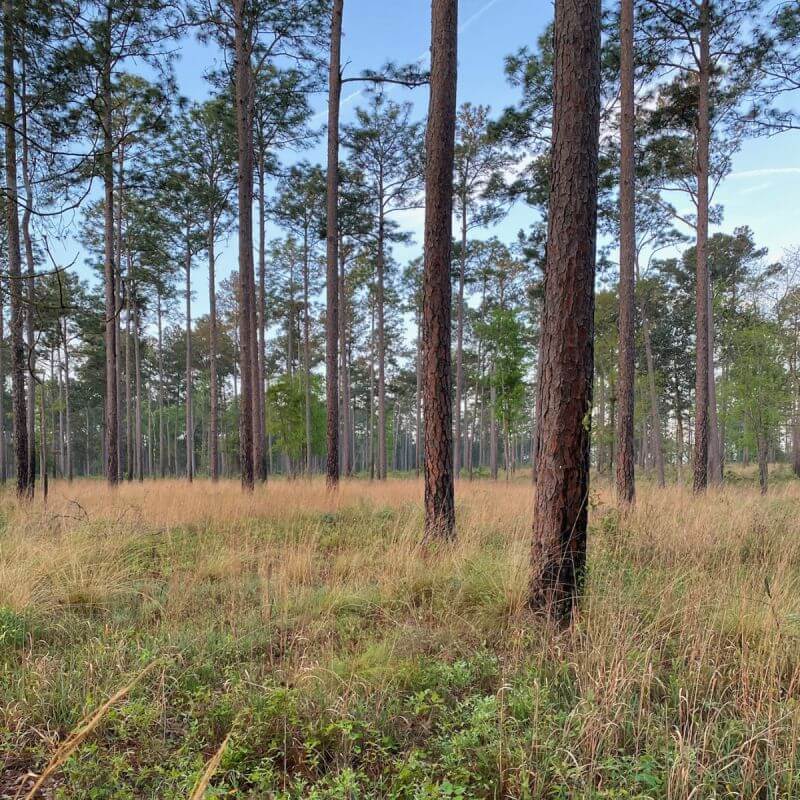
TimberTurn buries waste wood from wildfire fuel-thinning work, reducing wildfire risk while keeping the carbon it holds out of the atmosphere. Built on a revenue-sharing partnership with local First Nations, the project is scaling toward 100,000 tonnes of annual capacity.
Mast Reforestation
Reforestation partnerships in BC
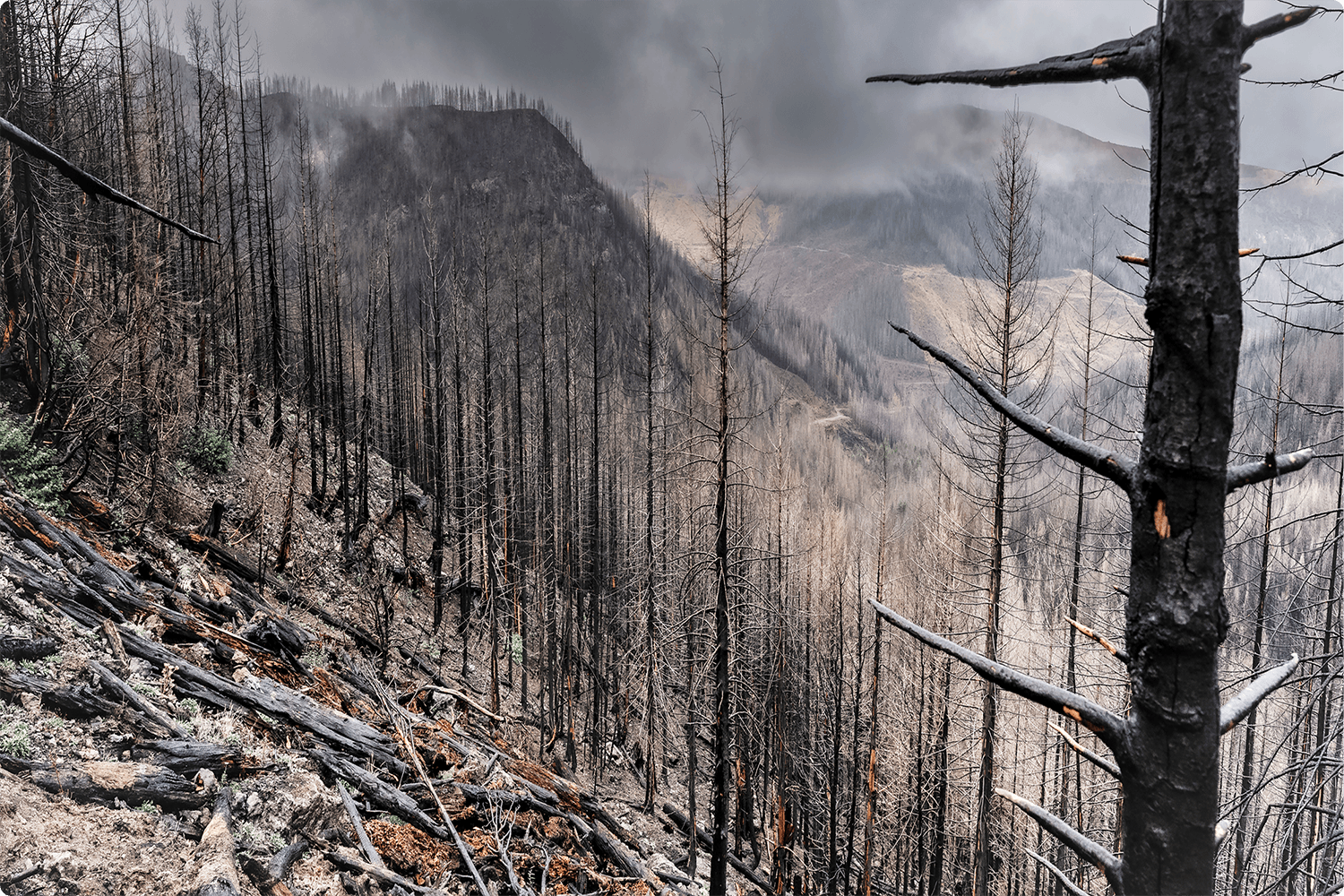
Mast works to mitigate severe wildfires and restore landscapes that have severely burned. In 2022, Mast partnered with the Tsidelel and Tl’etinqox First Nations to reseed by drone. Today, forest restoration projects are funded through the burial of unusable wood waste that generates long term carbon removal credits. In 2025, Mast delivered North America’s first biomass burial carbon removal credits that financed replanting in Montana, with projects currently under evaluation in Canada.