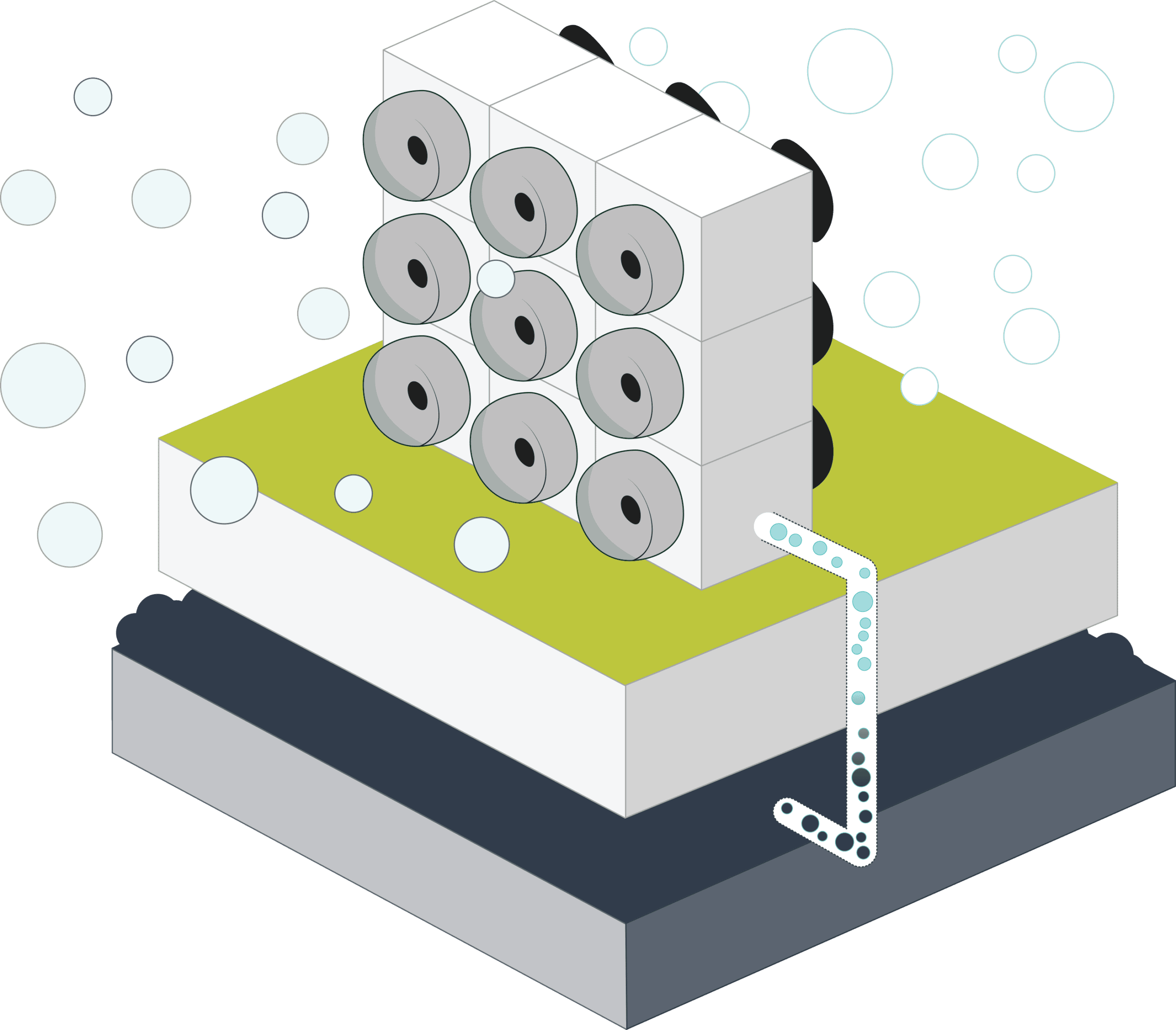
Pull in Air and Pass It Over Special Filters
Large fans draw air and pass it across specially designed filters or chemical solutions that selectively bind to the carbon as the air flows through.
Release Clean Air and Concentrate the Carbon
The carbon-depleted air is sent back out into the atmosphere, while the captured carbon is stripped from the filters and gathered into a concentrated stream.
Inject the Carbon Underground for Storage
The concentrated carbon is compressed and injected deep underground into geological formations, where it is locked away permanently.

Click hotspots
for more information
How does Direct Air Capture work?
Direct air capture (DAC) facilities pull air through special filters that grabs carbon and separates it from the rest of the air.
That carbon needs to be stored somewhere, and Canada has world-class options. It can be permanently stored deep underground in geological formations, similar to technology the oil and gas sector has used for decades but in reverse. Alberta and Saskatchewan have some of the best geological storage capacity on the planet.
Alternatively, the carbon can be sold as feedstock for industrial products that companies already need: sustainable aviation fuel, stronger concrete, synthetic fuels, or even carbonated beverages. This creates revenue streams that help offset the cost of removal.
DAC leverages Canada’s clean energy and geological storage advantages to establish a new industrial sector. By building on existing energy infrastructure and generating new revenue streams, Canada is positioned to capture a significant market share in the expanding carbon removal economy.
Co-Benefits from DAC

Renewable Fuel Production
DAC can produce renewable fuels as it removes carbon, creating sustainable aviation fuel for airlines and hydrogen for transportation and industry.

Rural Community Job Creation
DAC has flexibility in site location, which makes it ideal for rural economic development, creating jobs in communities across Canada
Industries Supported
Construction
The carbon DAC pulls out of the air can be locked away in concrete. This gives the construction sector a low-carbon product to sell, while also being a source of demand itself as labour-intensive facilities are built.

Energy
In addition to producing renewable fuels, DAC can work alongside clean power projects, using renewable electricity to remove carbon when demand is low, such as in the Arctic or rural areas. This helps the energy industry make the most of every megawatt while turning surplus power into carbon removal.
Project snapshot
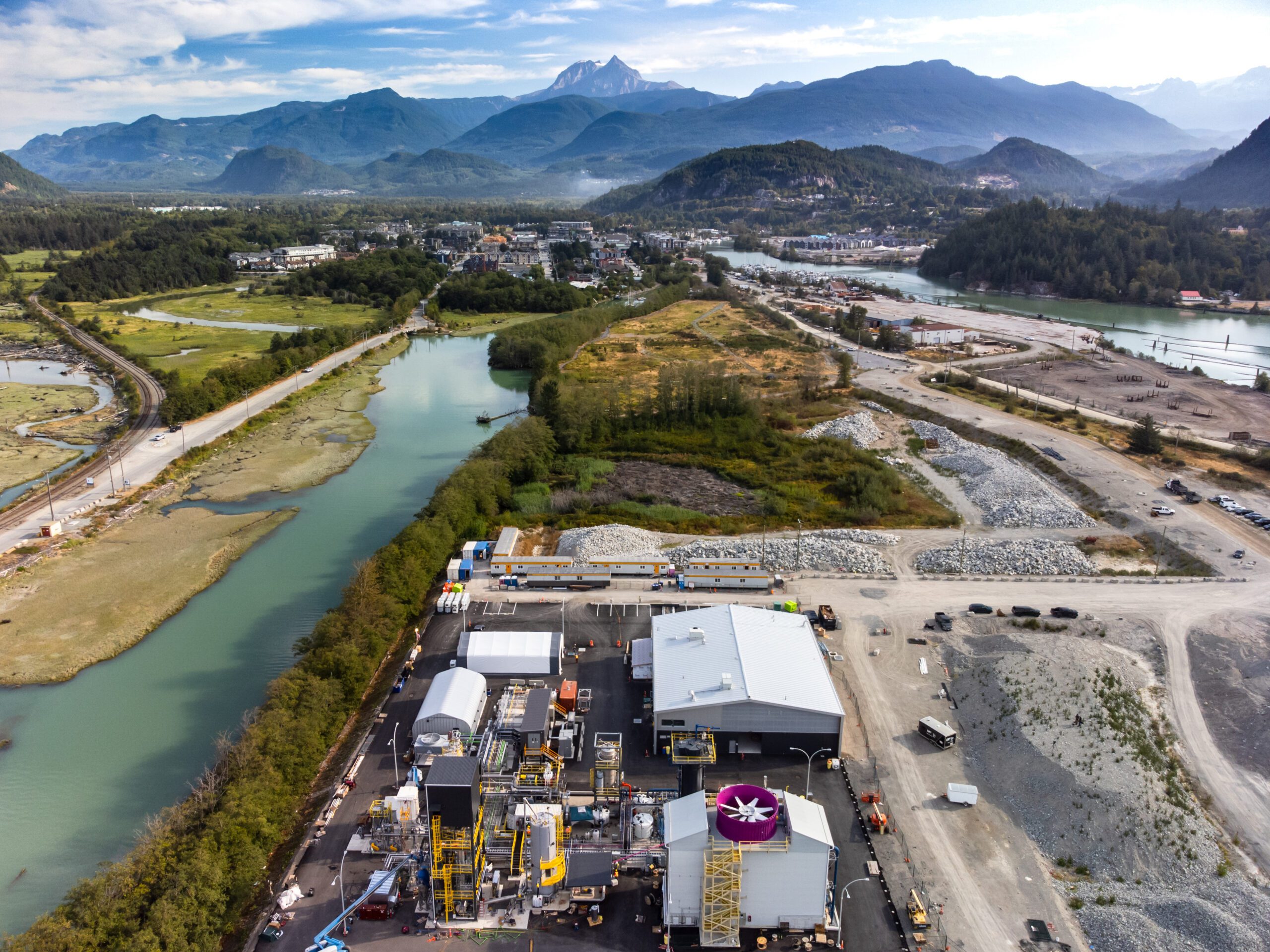
Innovation Centre
Squamish, BC
At its Innovation Centre, scientists and engineers test, validate, and refine the materials and processes that make Direct Air Capture perform better and cost less, helping de-risk the technology and move it toward commercial scale.
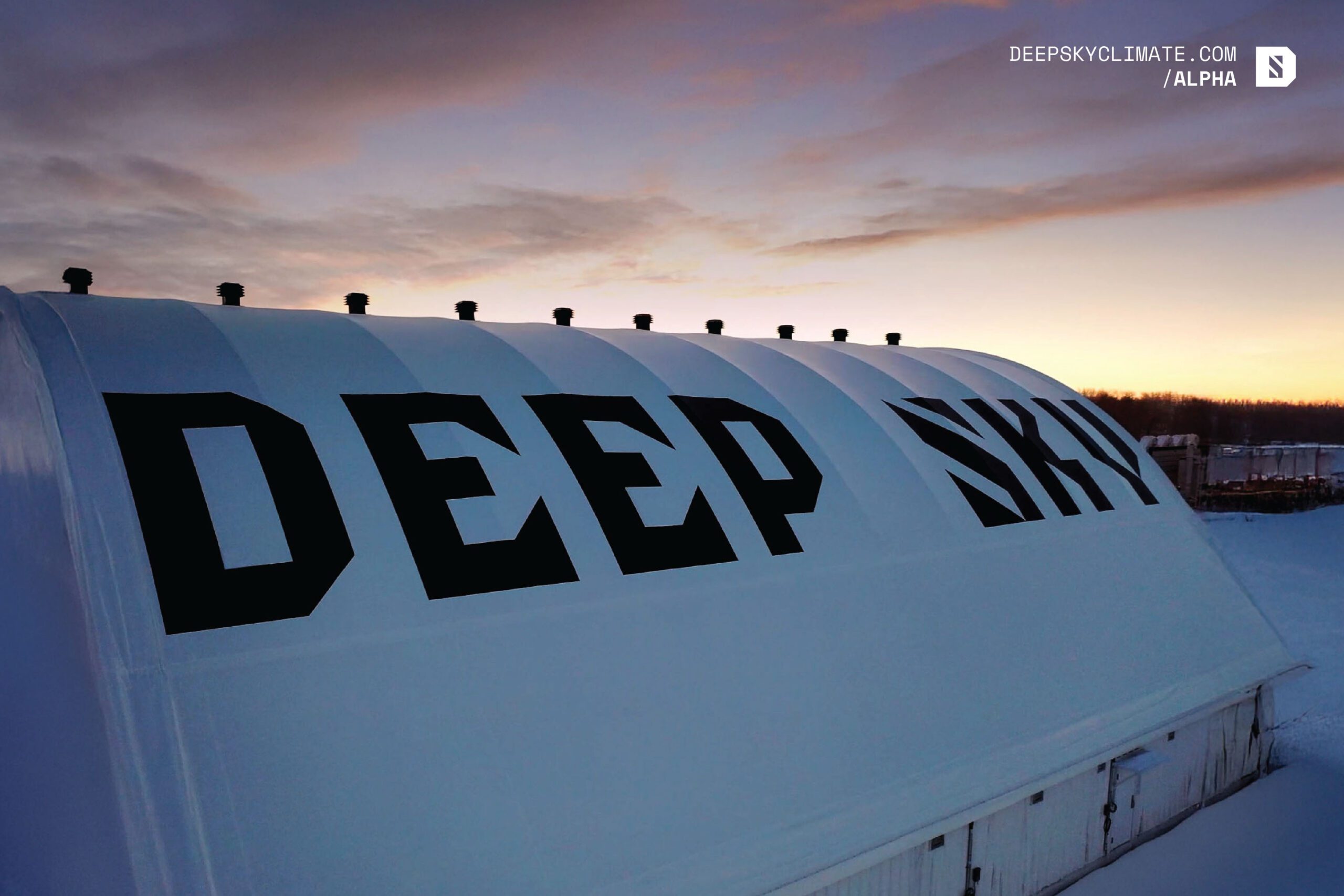
Alpha
Innisfail, Alberta
Alpha is an industry first for privately developed, scalable carbon removal, deploying many different DAC technologies simultaneously. This tech-agnostic approach lowers delivery and operational risks while speeding up how fast the industry can scale, solving the delays that plagued past projects.